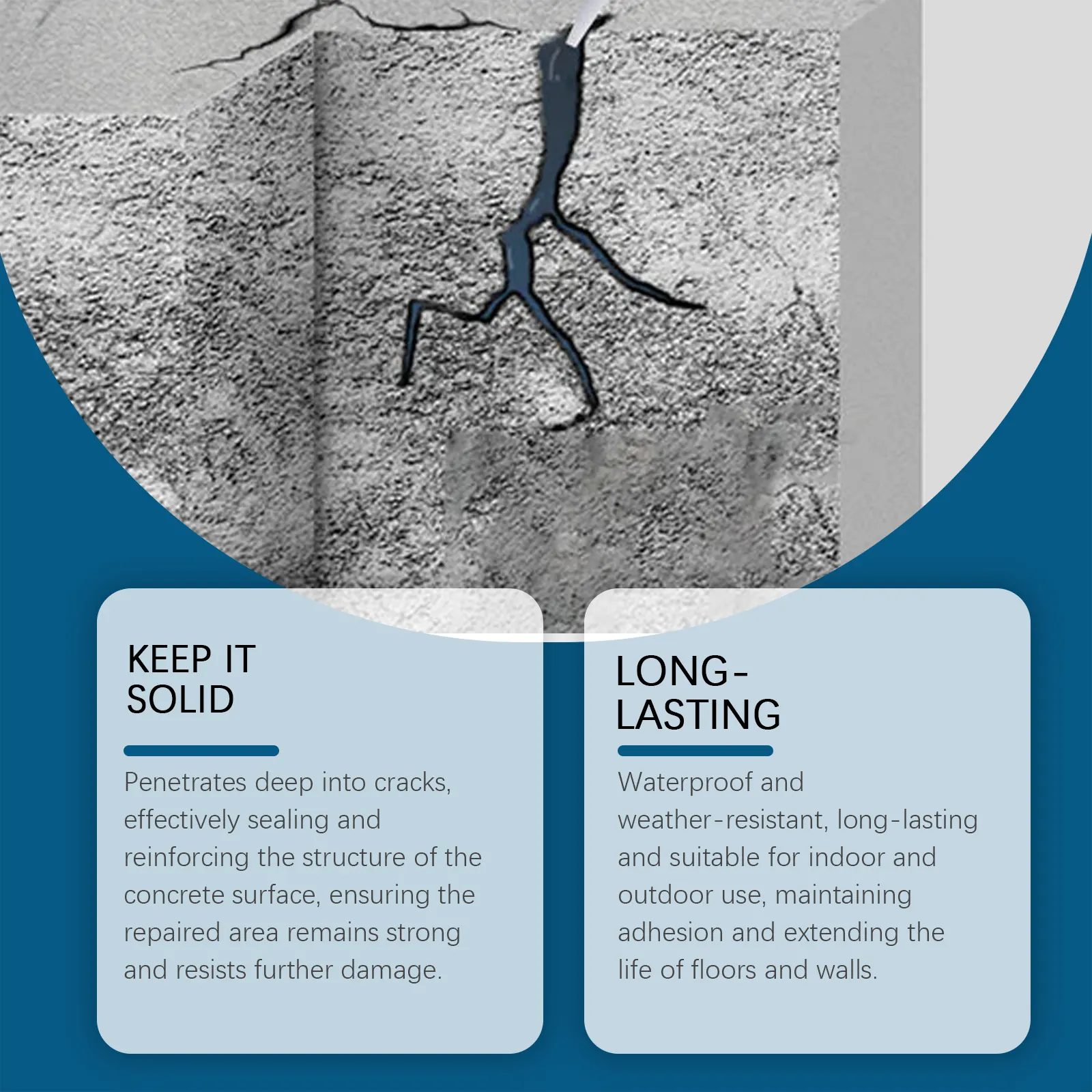
So My Patio Looked Like a Spiderweb
Listen, I’m not what you’d call “handy.” My idea of home repair is figuring out which takeout container in the fridge is still safe to eat. But my back patio? It was getting embarrassing. Hairline cracks had turned into gaping canyons, and every time it rained, my basement started to smell like a swamp. My landlord left a “friendly” note that was basically a veiled threat. I was staring down the barrel of a multi-thousand-dollar concrete replacement quote when I stumbled on this Crack Repair Adhesive. Honestly, I ordered it out of pure, unadulterated desperation.
The “Oh Crap, This is Sticky” Phase
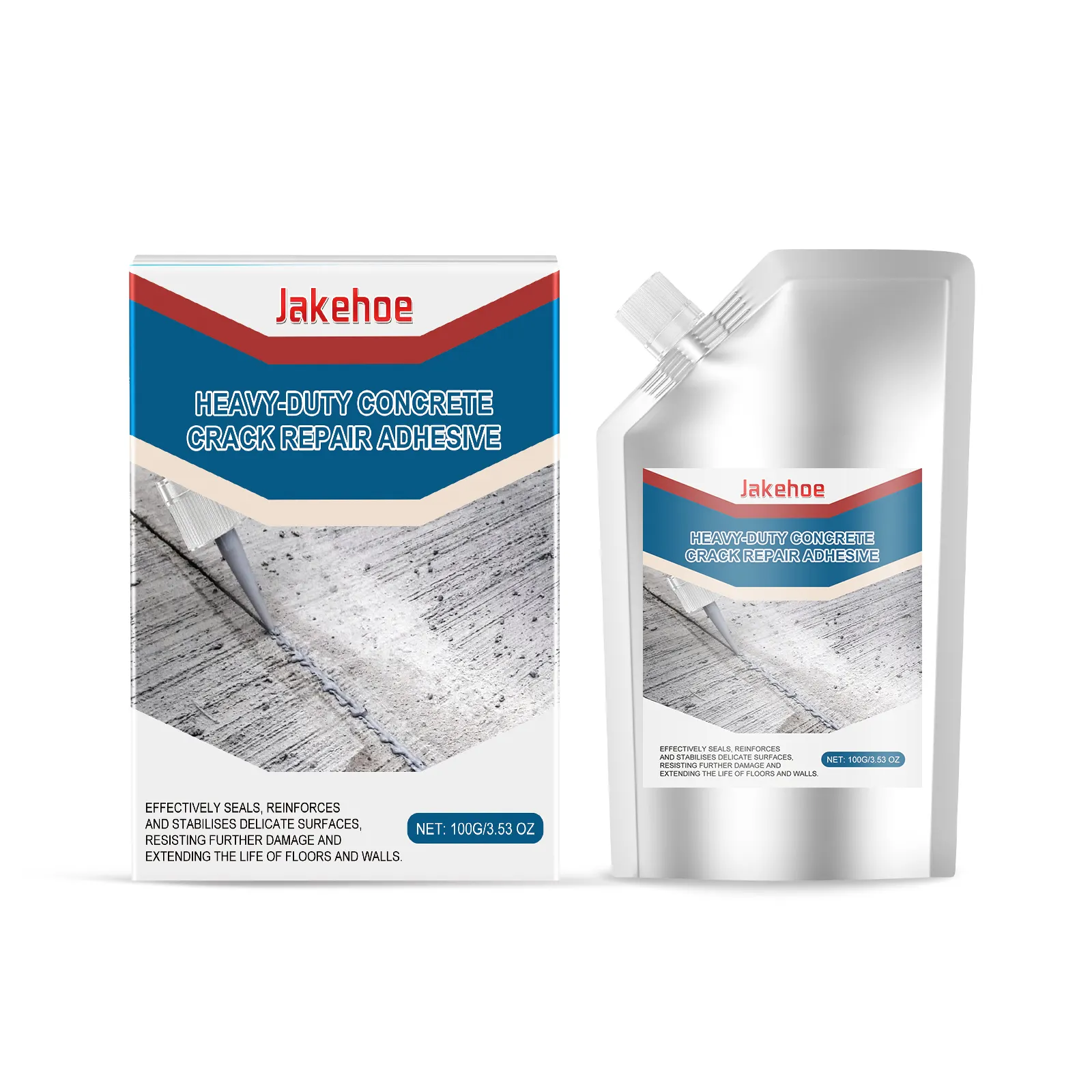
The kit showed up, and I’ll be real with you—the instructions might as well have been in ancient Sumerian. Mix Part A and Part B? Sure. But the consistency… I was expecting paste, and I got this weird, runny syrup. My first thought was a massive fail. I globbed it into the biggest crack anyway, half-convinced I was just making expensive modern art. Here’s the thing, though: that runniness is the secret. It didn’t just sit on top; it poured down into the crack like it was searching for the leak itself. I binge-watched an episode of my show while it started to set. No lie.
Is This Stuff Better Than the Old Methods?
I gotta say, my dad would have just used concrete patch and called it a day. So I made a quick comparison chart for you lazy folks like me who need to see the facts.
| The Thing | Traditional Concrete Patch | This Epoxy Sealant |
|---|---|---|
| Price (for my job) | ~$15 (but might need re-doing) | ~$30 |
| Main Action | Fills from the top down | Seeps in and bonds from within |
| Waterproofing | Meh, not really | Seriously yes (this is the key) |
| My Skill Level Needed | Medium (mixing, smoothing) | Low (pour, spread, wait) |
See? For a total novice, the epoxy was actually less intimidating. You’re not sculpting; you’re just guiding a liquid.
The Real Test: A Monsoon Week
After it cured for a full 48 hours (I was impatient, but waited), we got hit with a solid week of spring rain. Can you believe this? The basement stayed dry. The patch itself turned a different color than the old concrete—it’s a darker gray—so it’s not invisible. But I don’t care about beauty pageants; I care about not having a indoor pool. It held. No seepage, no new cracks spidering out from it.
Okay, Let’s Talk About the Messy Bits
I’m not gonna sugarcoat it. This isn’t a perfect 5-star miracle.
The Cons: First, the smell. When you mix it, it has this intense chemical odor. I did it outside with gloves, and I’m glad I did. Don’t be a hero—use ventilation. Second, you gotta work relatively fast once it’s mixed. It’s not instant, but you don’t have time for a coffee break in the middle. Third, as I mentioned, the color match wasn’t perfect for my old, sun-bleached concrete. It’s functional, not pretty.
But honestly? For $30 and two hours of my time (most of which was waiting), those are trade-offs I will happily make every single time.
Final, Non-Expert Verdict
Look, if you have major structural issues, call a professional. But if you’re like me—a regular person staring at cracking garage floors, basement walls, or a sad patio—this adhesive is a legit cheat code. It bypasses the need for serious skill by using chemistry instead. It fixed my water problem and, so far, has kept my landlord off my back. That’s a win in my book. Just open a window, okay?