
It All Started With a Damp Sock
Listen, I wasn’t planning on spending my Saturday as a basement handyman. The plan was pizza and a movie. But then I stepped in a mystery puddle next to the foundation wall. Damp sock. Game over. That’s how I found myself online at 11 PM, desperately searching for something, anything, to stop the slow-mo water invasion. Enter the Jake Hoe Waterproof Repair Sealant.
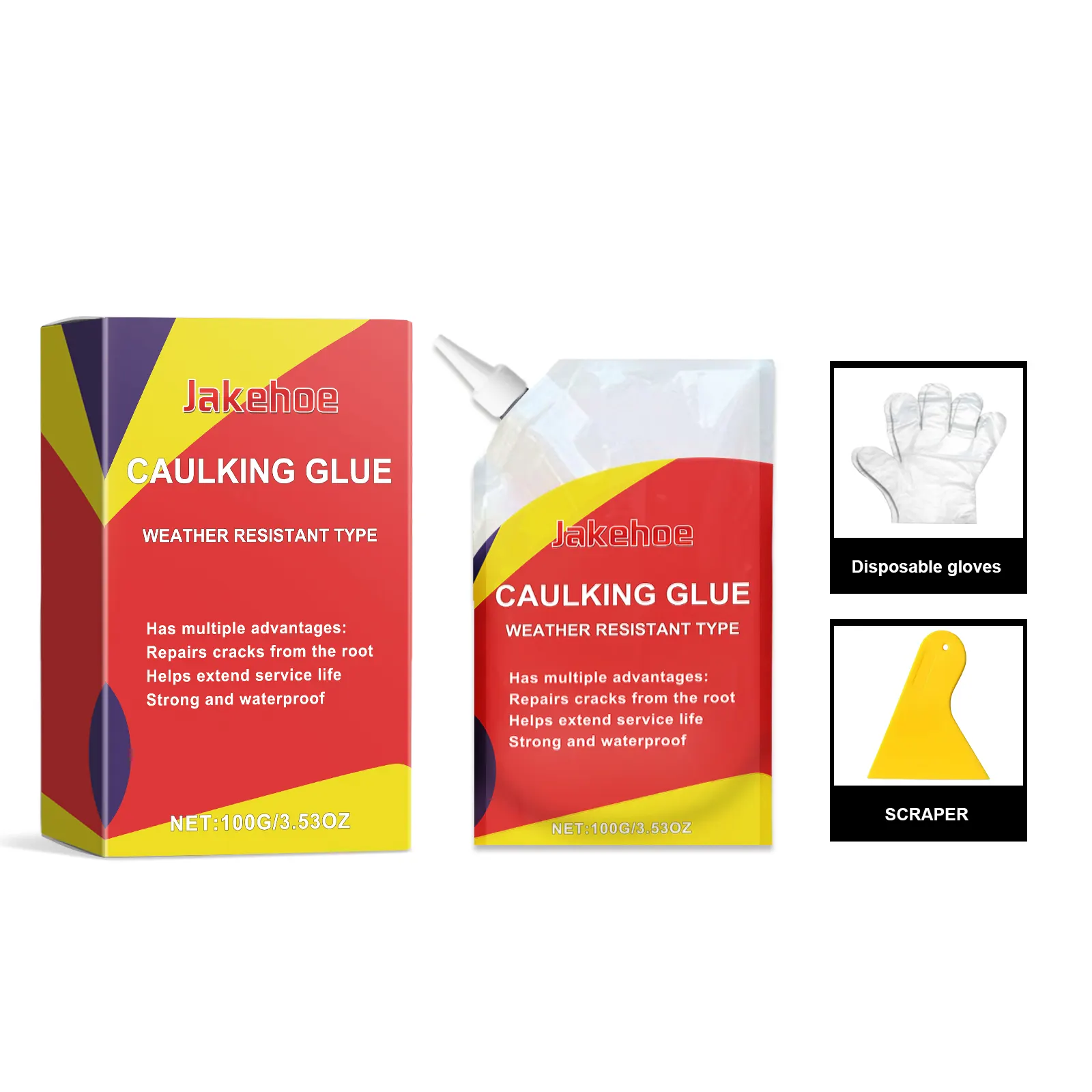
First Impressions & The Application Mess
The tube showed up, and honestly, it looks… fine? It’s a standard caulk-style tube. The instructions are straightforward: clean the crack, squeeze, smooth. I gotta say, the “smooth” part is where the fun begins. If you’re imagining a clean, surgical operation, think again. This stuff is thick. Like, “are you sure this isn’t cake frosting?” thick. You need some muscle to push the plunger, and my first attempt looked like a toddler finger-painted on my wall. Pro tip: Have a bucket of water and a bunch of rags ready. You’ll need them to clean your tools (and your hands, because you will get some on you).
But here’s the thing – once I got the hang of it and used a proper scraper, it went on pretty clean. It filled the crack completely. No sagging, no dripping. It just sat there, looking like a weird gray scar on my wall.
So, Did It Actually Work?
We had a monster rainstorm about four days after I applied it. I went down to the basement with a flashlight, fully expecting my sad little sealant scar to have failed. I was ready for the puddle.
Nothing. Bone dry. I actually poked the sealed crack. It was fully cured, kinda rubbery and flexible, and there was zero moisture behind it. I was shocked. I’ve used other “waterproof” paints and patches that just peel off when damp. This stuff actually bonded and created a seal. No more damp sock zone.
How It Stacks Up Against The Old Ways
I made a quick comparison chart for you lazy folks (no judgment, I am one of you).
| Stuff You Could Use | Price (ish) | Main Ingredients / Deal | Does It Actually Work? |
|---|---|---|---|
| This Jake Hoe Sealant | ~$24 | Silicone-acrylic emulsion. Flexible, bonds to concrete. | Yes. It seals and stays flexible. |
| Regular Concrete Caulk | ~$8 | Basic latex or silicone. Stiff. | Meh. Often cracks again with settling. |
| “Hydraulic Cement” | ~$15 | Expands as it sets. Very rigid. | For active leaks, maybe. Can crack later. |
| Ignore It & Hope | $0 (at first) | Denial. | No. Leads to mold and bigger bills. |
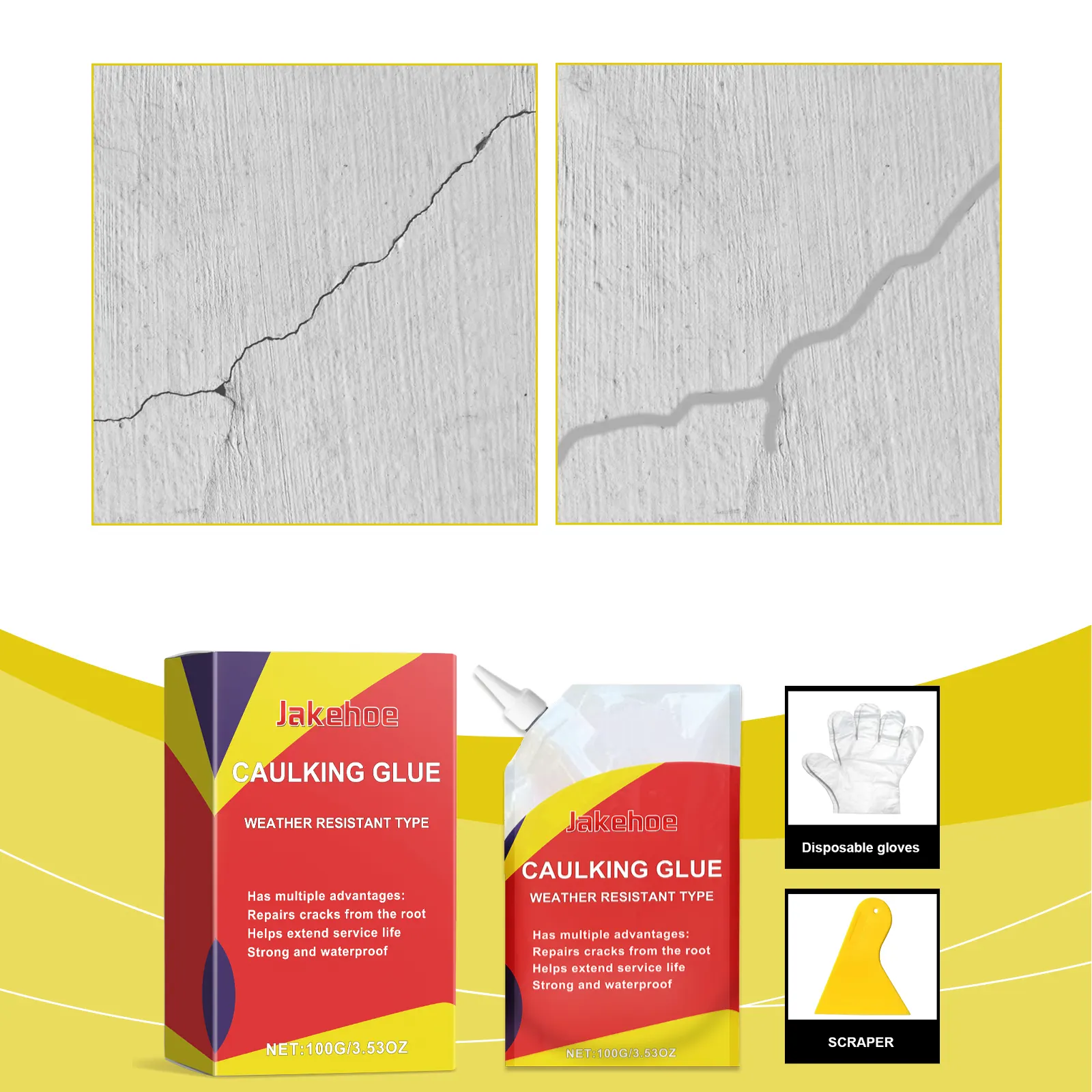
The Not-So-Perfect Bits
Okay, time for real talk. It’s not all sunshine. First, the smell. It’s not horrific, but it’s a strong chemical smell for a day or two. Open a window if you’re using it indoors. Second, the cleanup is annoying. Water cleans the wet stuff, but once it’s on your skin or dries on a tool, you’re scrubbing. Third, the color. It’s a light gray. It matched my foundation wall okay, but if you’re patching red brick or a colored surface, you’ll probably want to paint over it.
Also, this is for cracks, not gaping holes. If your wall looks like Swiss cheese, you need more than a tube of sealant.
Final Verdict from a Reluctant DIYer
Honestly, I’m impressed. I went in with super low expectations, just wanting my basement floor dry. This stuff over-delivered. It’s messy to apply and you need to prep the area, but if you do it right, it creates a seriously durable, flexible, waterproof seal. It turned my minor basement leak from a nagging worry into a non-issue.
So yeah, if you’ve got hairline cracks in concrete, brick mortar, or around your pool terrace, this Jake Hoe sealant is legit. It’s not magic—it’s work—but it’s effective work. My socks are forever grateful.
– Michael J.

