
Honestly, I Thought This Shirt Was Toast: My Jakehoe Fabric Stain Remover Review
Listen, I am a total klutz. If there is a bowl of pasta within a five-mile radius, you can bet that a drop of marinara or oil is going to find its way onto my favorite white linen shirt. It’s like a law of nature for me. Last week, it was a greasy taco—don’t ask—and I was genuinely devastated. I’ve tried the “natural” baking soda hacks and those cheap grocery store sprays that smell like fake lemons, but they usually just leave a weird yellow ring or, worse, ruin the fabric texture.
I decided to bite the bullet and try the Jakehoe Fabric Stain Remover for Oil Stains and Color Protection. At $24.99, it’s definitely not the cheapest thing in my laundry room, but if it saves a $100 blouse, it pays for itself, right? Here is my totally honest, no-filter take on whether this stuff actually works or if it’s just another bottle taking up space under my sink.
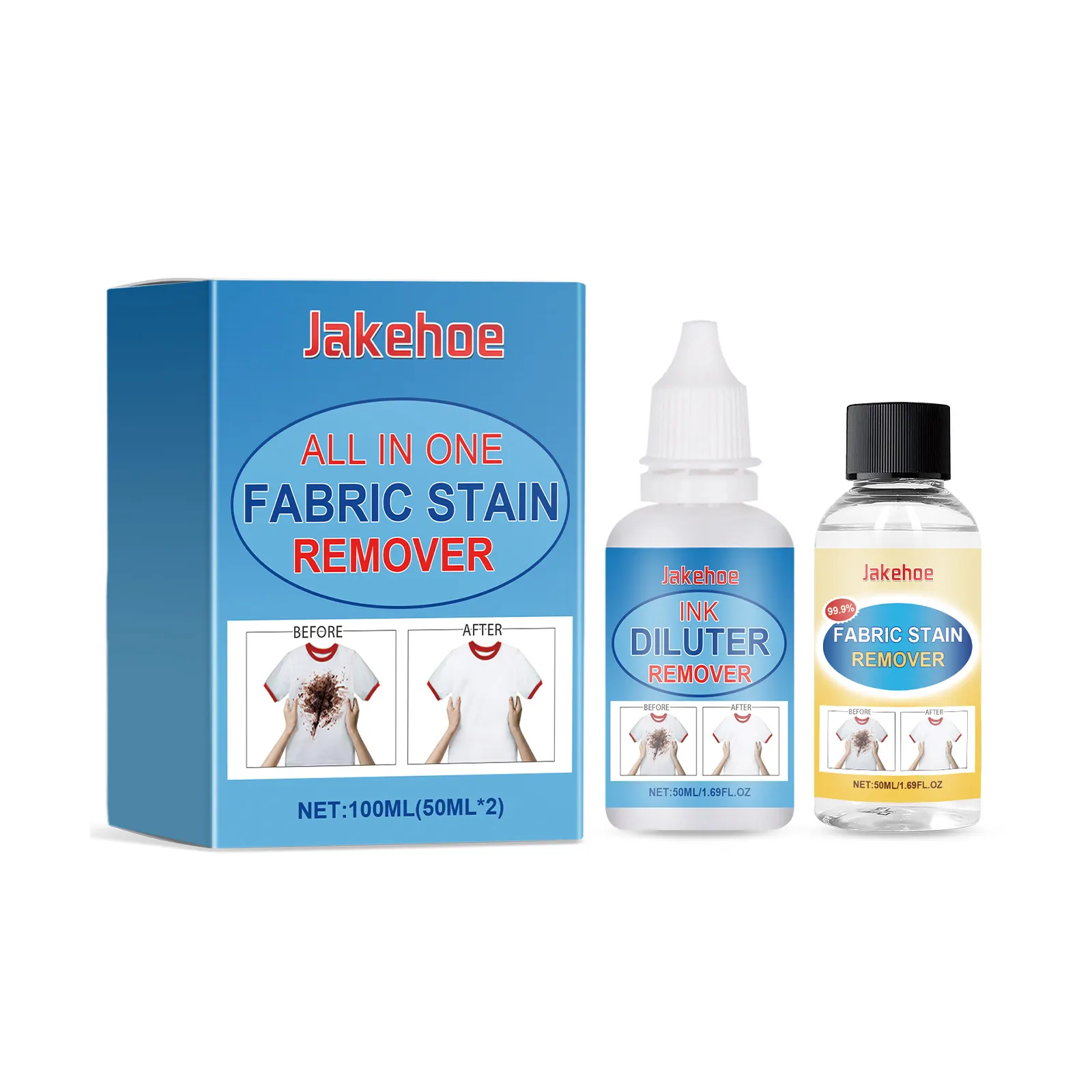
What’s Actually Inside This Bottle?
Before I put anything on my clothes, I like to know what I’m dealing with. The Jakehoe formula isn’t your standard soapy water. It’s got a mix of acetone, isopropyl alcohol, and propylene glycol butyl ether. Now, if you aren’t a chemistry nerd, here’s the layman’s version: it’s designed to dissolve oils.
The isopropyl alcohol is great for breaking down the sticky stuff, and the propylene glycol helps it penetrate deep into the fibers. When I first opened it, I noticed a slight “clean” chemical scent—kind of like a high-end dry cleaner. It wasn’t overpowering, but you can tell it means business. The liquid itself is clear and has a slightly “slippery” or buttery texture when you get it on your fingers (which you should probably avoid, but hey, I’m messy).
My “Taco Disaster” Test: Does It Really Work?
Here’s the thing about oil stains: they are invisible when wet, but as soon as the fabric dries, you get that ugly, dark “wet look” spot that never goes away. I had a set-in grease stain on a cotton-blend t-shirt that had already gone through the dryer once (the kiss of death for stains, usually).
I followed the instructions on the Jakehoe bottle. I applied it directly to the spot. I didn’t scrub like a maniac—I just used a clean white cloth to gently wipe it. For the set-in stain, I let it sit for about three minutes. You could actually see the oil spot starting to “blur” and lift away from the fibers. After a quick rinse with cold water, the spot was… gone. Like, actually gone. No shadow, no ring, and most importantly, the navy blue color of the shirt didn’t fade at all. That “color protection” claim? Seems legit.

How It Compares to the Competition
I’ve used everything from the $5 “blue soap” to the expensive enzymatic cleaners. Here is how I feel Jakehoe stacks up against the others I’ve tried in my “laundry lab” (aka my cramped apartment bathroom).
| Feature | Jakehoe Stain Remover | Generic Grocery Brand | DIY (Vinegar/Soda) |
|---|---|---|---|
| Oil Removal | Excellent (even set-in) | Average | Poor |
| Color Safety | High | Medium (can bleach) | High |
| Ease of Use | Very Easy (3 steps) | Easy | Messy & Slow |
| Price | $24.99 | $6.00 | Pennies |
The Good, The Bad, and The Messy
No product is perfect, and I’m not going to sit here and tell you this is magic in a bottle without some caveats. Here is the breakdown of what I loved and what I didn’t.
✅ Pros
- Incredible on grease: Seriously, “best stain remover for oil stains” isn’t an exaggeration.
- Gentle on fibers: Unlike some harsh bleaches, the fabric feels silky smooth after rinsing.
- Fast-acting: You don’t have to soak things overnight.
- Color Protection: Didn’t see any fading on my dark blues or vibrant reds.
❌ Cons
- The Price: $24.99 is a bit steep for a cleaning product.
- Chemical Scent: It’s a bit strong initially (though it rinses out completely).
- Bottle Size: I wish it came in a giant value size because I’m that messy.
Who Should Actually Buy This?
Is this for everyone? Maybe not. If you only wear old t-shirts to garden in, you probably don’t need a twenty-five-dollar stain remover. But there are definitely some people who will find this to be a game-changing moment for their wardrobe maintenance.
🎯 Who Should Buy This?
- The Office Professional: If you wear silk ties, linen blazers, or expensive dress shirts.
- Foodies/Messy Eaters: If you have a PhD in dropping salad dressing on yourself (guilty!).
- Parents: Great for those mystery “grease” stains kids seem to pick up from literally nowhere.
- Vintage Lovers: Good for treating older fabrics where you’re terrified of using bleach.
Final Thoughts: Is It Worth It?
I’ve gotta say, I was skeptical. I’ve been burned by “premium” cleaners before that were just glorified dish soap. But Jakehoe actually delivered on its promise. It’s my new go-to now for anything oil-based. The way it penetrates the fibers without stripping the color is impressive.
If you’re asking “is Jakehoe worth it?”, my answer is yes—if you value your clothes. It’s an investment in keeping your wardrobe looking fresh and avoiding that “I just ate a greasy burger” look on your chest. It’s simple, it’s effective, and it saved my favorite shirt. What more can you ask for?
Frequently Asked Questions
Does Jakehoe work on set-in stains that have been through the dryer?
Yes! That was my main concern too. While “fresh” is always easier, I had success with a grease stain that had been dried. I just let the product sit for about 5 minutes instead of the usual quick wipe.
Can I use this on delicate fabrics like silk?
The formula is designed for color protection, which is great. However, since it contains acetone and alcohol, I always recommend doing a “patch test” on the inside hem first. I used it on a silk-blend scarf and it was fine, but better safe than sorry!
Do I have to wash the whole garment after using it?
The instructions say to rinse the treated area with water. I usually just use a damp cloth to “rinse” it thoroughly if I’m in a hurry, but for the best results, a full rinse under the tap ensures no residue is left behind.
How long does one bottle last?
Because it’s a targeted treatment (you aren’t soaking the whole shirt), a little goes a long way. If you’re just treating occasional spots, one bottle should easily last you 6 months to a year.

