
Have you ever opened your dishwasher after a full cycle, expecting the scent of fresh lemons, only to be met with a damp, metallic, or—heaven forbid—a swampy smell? It is a common frustration. We often assume that because the dishwasher is constantly full of soap and hot water, it is cleaning itself. Sadly, that is not the case. Over time, grease, food particles, and mineral deposits from hard water build up in the nooks and crannies, making your machine less efficient and potentially leaving your “clean” dishes covered in a thin layer of grime.
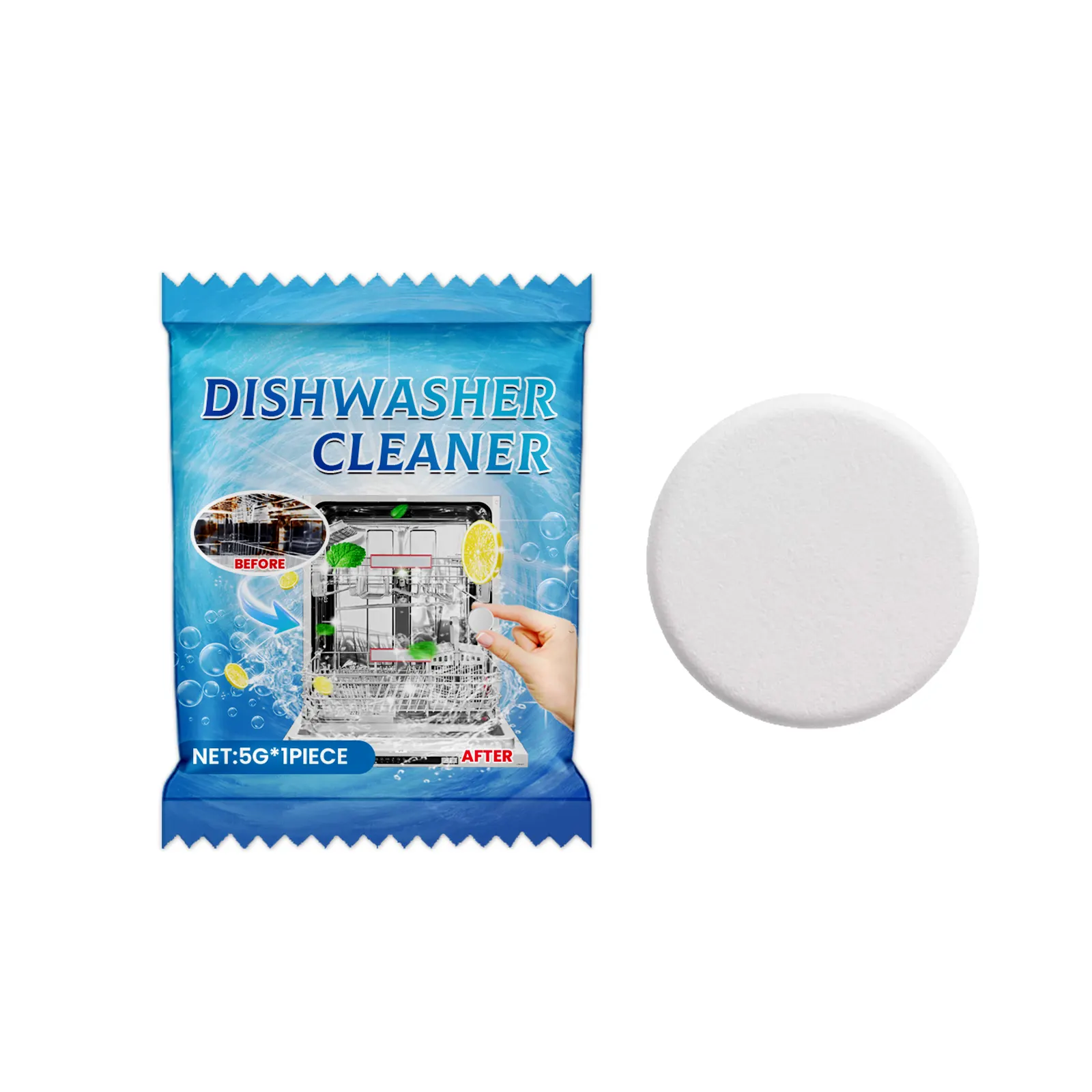
I want to show you how to fix this without spending hours scrubbing on your hands and knees. Using a dedicated cleaner like the Jakehoe Dishwasher Cleaner Tablets makes the process incredibly simple. These sheets are formulated with lemon extract and sodium bicarbonate to break down that stubborn gunk. Let’s get your appliance back to its peak performance.
What You’ll Need
- Jakehoe Dishwasher Cleaner Tablets (The heavy-duty detergent sheets)
- An old toothbrush or a soft-bristled scrub brush
- A microfiber cloth or sponge
- Warm water and a small amount of mild dish soap
The product I used: available here.
Step 1: Empty the machine completely
This might seem obvious, but make sure there isn’t a single stray spoon or ramekin left in the racks. The cleaning sheets need to reach every corner of the interior, and having dishes in the way blocks the water flow. Also, remove the bottom rack entirely if your model allows it, so you have clear access to the floor of the dishwasher.
Step 2: Clean the filter and the “Hard Way” lesson
This is the most important part of the manual labor involved. Most modern dishwashers have a removable cylindrical filter at the bottom. Twist it out and rinse it under hot running water. If you see greasy buildup, use your old toothbrush to gently scrub the mesh.
I learned this the hard way a few years ago. I kept running cleaning cycles, but my dishes still looked cloudy. I assumed the machine was just old and dying. When I finally worked up the courage to pull out the filter, I found a literal “biological experiment” of old pasta bits and hair stuck in the mesh. The water couldn’t drain properly, so it was just recycling dirty water over my “clean” plates. Don’t worry if yours looks a bit gross at first—that just means the filter has been doing its job! Once you scrub it clean, you’ll notice an immediate difference in how the machine drains.
Step 3: Inspect the spray arms
While the racks are out, take a look at the spray arms. These are the rotating plastic or metal bars that shoot water. Sometimes, tiny seeds or bits of glass can get stuck in the small holes where the water comes out. If the holes are clogged, the water pressure drops, and the Jakehoe tablets won’t be able to circulate as effectively. If you see a clog, use a toothpick or a pair of tweezers to gently pull the debris out. This ensures the lemon extract and cleaning agents can reach the top rack and the ceiling of the tub.
Step 4: Wipe the door seals and edges
The rubber gasket around the door is a magnet for mold and mildew because it stays damp and doesn’t get hit directly by the water spray during a cycle. Take your damp cloth and wipe all the way around the seal. You might be surprised at the black residue that comes off. This area is often the source of those lingering odors. A quick wipe-down prevents leaks and keeps the kitchen smelling fresh.
Step 5: Place the Jakehoe Dishwasher Cleaner Tablet
Now for the easy part. Take one Jakehoe detergent sheet from the package. You don’t need to overthink where it goes—simply place it in the main detergent dispenser and close the little door. If your dispenser is broken or doesn’t close, you can also place the sheet directly on the floor of the dishwasher. These sheets are designed to dissolve steadily throughout the cycle. The combination of sodium bicarbonate (baking soda) and disodium EDTA helps to soften hard water and lift away the white scale buildup that coats the heating element and the walls of the machine.
For more on this topic, check out Jakehoe Wall Repair Agent Review: My DIY Disaster Savior.
Step 6: Run a “Normal” or “Heavy” hot cycle
Close the dishwasher and select a standard wash cycle. If your machine has a “High Temp” or “Sanitize” setting, use it. Heat is the catalyst that helps the degreasing agents in the Jakehoe sheets work their magic. The lemon extract is particularly effective at neutralising odors when the water is hot. Avoid using “Quick Wash” or “Eco” modes for this specific task, as they often use cooler water and shorter times, which might not fully dissolve the scale buildup.
Step 7: The final air-dry
Once the cycle is finished, pop the door open just a crack. Let the steam escape and allow the interior to air-dry completely. This prevents any new moisture-loving bacteria from settling in immediately. You should see a noticeable shine on the stainless steel or plastic interior walls.
- Frequency is Key: I recommend using these tablets once a month. If you live in an area with very hard water, you might want to do it every three weeks to prevent lime scale from hardening.
- Check Your Water Temp: Before starting the dishwasher, run the kitchen sink faucet until the water is hot. This ensures the dishwasher starts its cycle with hot water right away rather than wasting the first few minutes warming up cold water from the pipes.
Common Mistakes to Avoid
- Running with Dishes: Never use a heavy-duty cleaner like this while your dishes are inside. The ingredients are concentrated to clean the machine, not your ceramic plates. It could potentially etch delicate glassware or leave a residue on your forks.
- Ignoring the Exterior: While the tablets clean the inside, don’t forget the buttons and the handle! Use a separate cloth to wipe down the outside so the whole appliance looks as good as it functions.
- Using Too Much Product: One sheet is specifically measured for one cleaning cycle. Adding two won’t make it “twice as clean”—it might just result in excess suds that are hard for the machine to rinse away.
Expected Results & Timeline
Immediate (After 1 Cycle): You should notice a significant reduction in odors. The interior should look brighter, and the “cloudiness” on the walls should be gone. The cycle usually takes between 60 to 120 minutes depending on your machine’s settings.
Long Term (3-6 Months): By cleaning the machine regularly with Jakehoe tablets, you are extending the life of the internal pump and the heating element. When these parts aren’t struggling against lime scale and grease, they don’t have to work as hard, which can save you money on utility bills and prevent expensive repair calls. Your dishes will also start coming out cleaner the first time, meaning you won’t have to waste time re-washing that one stubborn crusty plate.
Cleaning a dishwasher feels like one of those chores we can push off forever, but it is actually quite satisfying once it is done. It is a small investment of time that pays off every time you unload a tray of sparkling, fresh-smelling glasses. Happy cleaning!
Dr. Sarah Mitchell
Board-certified dermatologist with 12 years of clinical experience.

