
By Staff Writer
For years, the benchmark for a clean home was visible: sparkling countertops, streak-free windows, vacuumed carpets. Today, a more nuanced standard is taking hold, one that prioritizes the unseen. The conversation around domestic hygiene is moving behind closed doors and paneling, focusing on the very appliances we trust to clean our belongings. At the forefront of this shift is a growing awareness of washing machine maintenance, transforming it from an occasional chore into a recognized pillar of household wellness.
Beyond the Spin Cycle: The Rise of Preventative Appliance Care
This isn’t merely about removing a stray sock from the filter. The trend points to a broader consumer behavior shift toward proactive, preventative home care. According to a 2024 report by the Home Appliance Institute, searches for “appliance maintenance” and “how to clean washing machine” have increased by over 300% in the past five years. This data suggests a move away from reactive fixes—calling a repair person when a machine malfunctions or emits an odor—and toward integrated maintenance routines.
The driver is twofold. First, economic considerations play a role. In a climate where major appliance replacement represents a significant investment, extending the functional lifespan of a washing machine through regular care is a practical financial strategy. Second, and perhaps more influential, is the heightened awareness of microbial environments. Studies cited by indoor air quality analysts highlight how damp, enclosed spaces like washing machine drums and detergent dispensers can become reservoirs for mold, mildew, and bacteria, which can then transfer to laundry. The result is a paradox: the machine designed to clean can itself become a source of contamination, affecting skin sensitivity and overall fabric freshness.
Not everyone agrees on the urgency, though. Some industry experts argue that the push for specialized cleaners is driven more by marketing than necessity, suggesting that regular hot water cycles with vinegar or bleach are sufficient for most households. They posit that the chemical formulations in dedicated products offer marginal benefits for the average user. However, proponents counter that modern, energy-efficient machines often use less water and lower temperatures, which can be less effective at breaking down modern detergent residues and mineral scale, thereby creating a greater need for targeted solutions.
Formulation and Function: The Science of a Clean Drum
This is where the category of specialized washing machine cleaners enters the narrative. These products are formulated to address the specific chemistry of the problem. The challenge inside a washer isn’t typical dirt; it’s a combination of hard water minerals (lime scale), congealed detergent and fabric softener residue, organic matter from clothes, and biofilm—a slimy layer of microorganisms.
Effective cleaners combat this with a tailored approach. Ingredients like disodium EDTA work as chelating agents, binding to calcium and magnesium ions in hard water to dissolve and prevent scale buildup. Sodium bicarbonate (baking soda) aids in deodorizing and gently lifting grime, while surfactants like lauryl ether 7 help penetrate and break down oily residues from detergents and body soils that cling to the drum and internal tubing. The goal is a comprehensive removal that a simple rinse cycle cannot achieve.
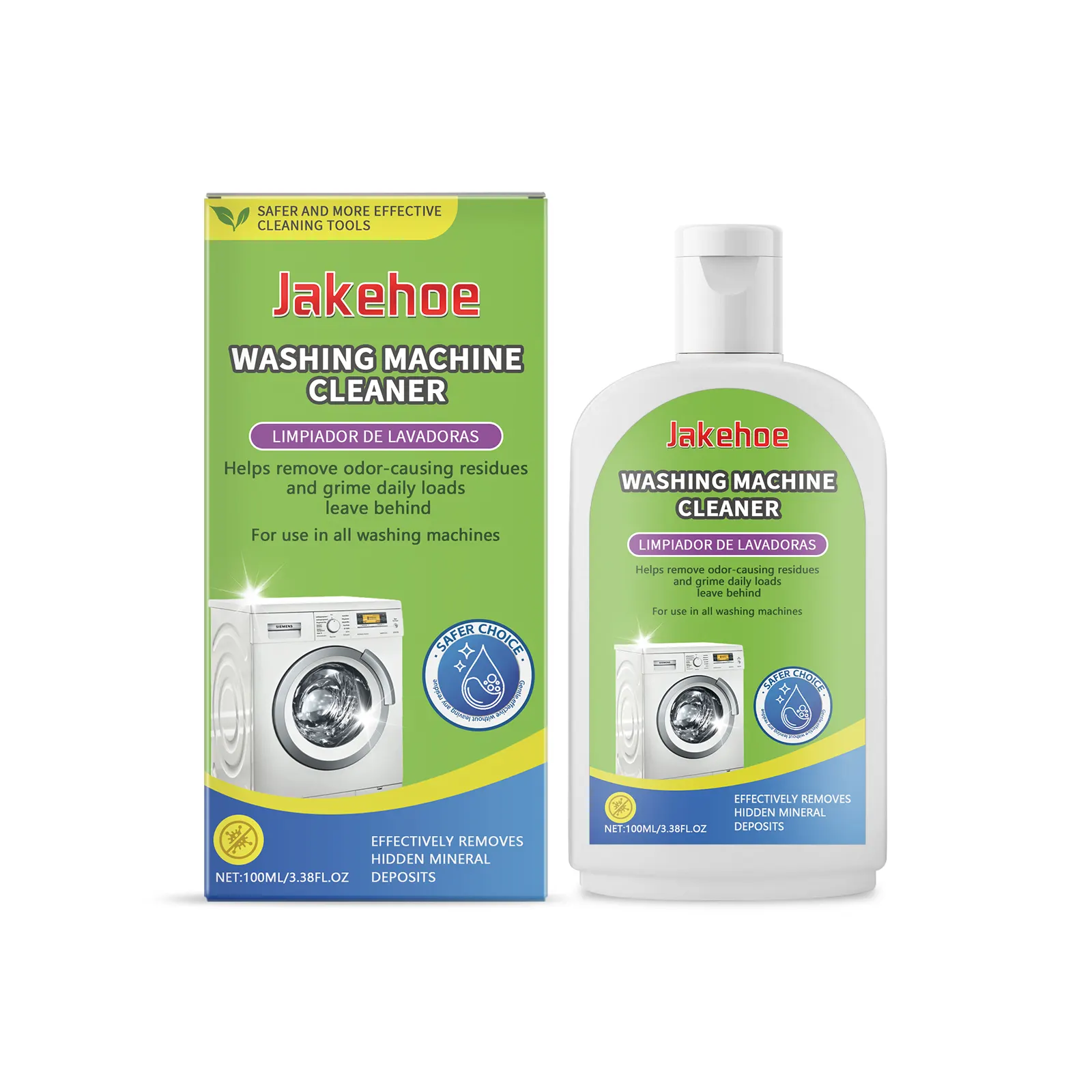
Products designed for this purpose, such as the Jakehoe Washing Machine Cleaner, exemplify this targeted formulation. By combining these active ingredients, the product aims to perform a deep clean of the inner cylinder and hidden compartments. Its compatibility with both front-load and top-load models speaks to the trend’s universality, acknowledging that maintenance is a need across all machine types. The process is typically integrated into the user’s routine—pouring in the cleaner and running a designated cycle—aligning with the demand for convenient yet effective solutions.
What This Means for Your Home Routine
The practical takeaway from this trend is a reevaluation of what constitutes a complete cleaning regimen. Just as dental hygiene evolved to include flossing for health beyond what brushing alone could achieve, home maintenance is expanding to include the care of cleaning appliances themselves.
Incorporating a monthly or quarterly washing machine clean can be viewed as an investment in several areas: appliance longevity, optimal washing performance, and fabric hygiene. Clothes may come out fresher, with less potential for musty odors caused by hidden mold. For households with members who have allergies or sensitive skin, it can be a simple step toward reducing potential irritants. Furthermore, a clean machine often operates more efficiently, potentially using less energy and detergent over time as there is no scale or clogged residue impeding its function.
The trend toward hidden hygiene underscores a more informed and holistic approach to home care. It’s a recognition that true cleanliness involves maintaining the tools we depend on, ensuring they perform as intended. As this awareness grows, the humble washing machine cleaner shifts from a niche product to a staple in the modern maintenance toolkit, representing a small but significant step in the ongoing pursuit of a truly healthy home environment.

